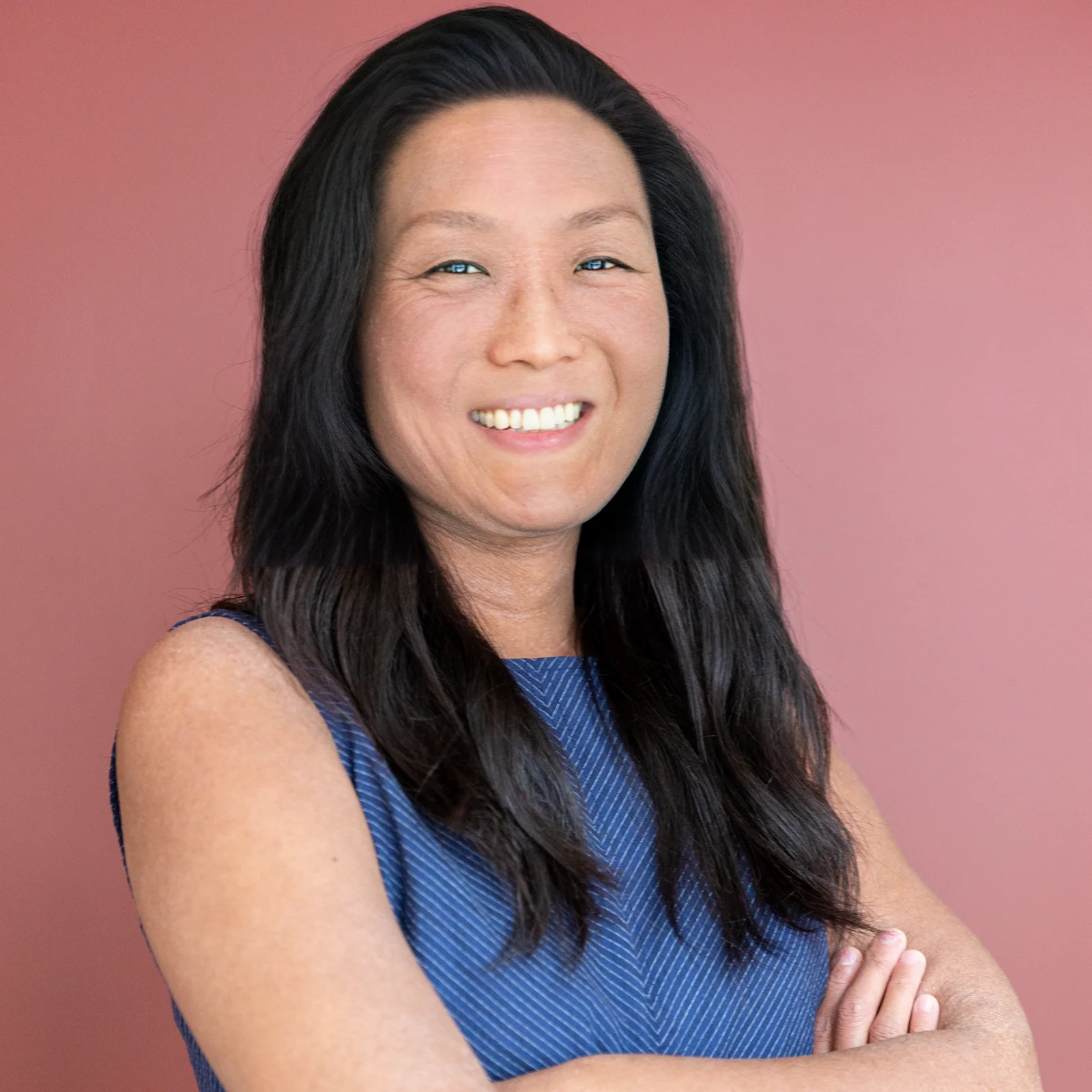

A guide by Sul Choi, L.OM
What is Pediatric Acupuncture?
Seeing how an acupressure point could relieve the intensity of my daughter’s
cough while struggling to sleep, or using moxibustion to relieve stomach aches, has
given me so much relief as a parent. As a clinician, I really saw the potential of pediatric
acupuncture when I met my first kid patients in the clinic. One had food allergies to
dairy, eggs, and fish, and another had exercise-induced asthma to the point of fearing
running. I knew acupuncture could be helpful, possibly by reducing inflammation. We
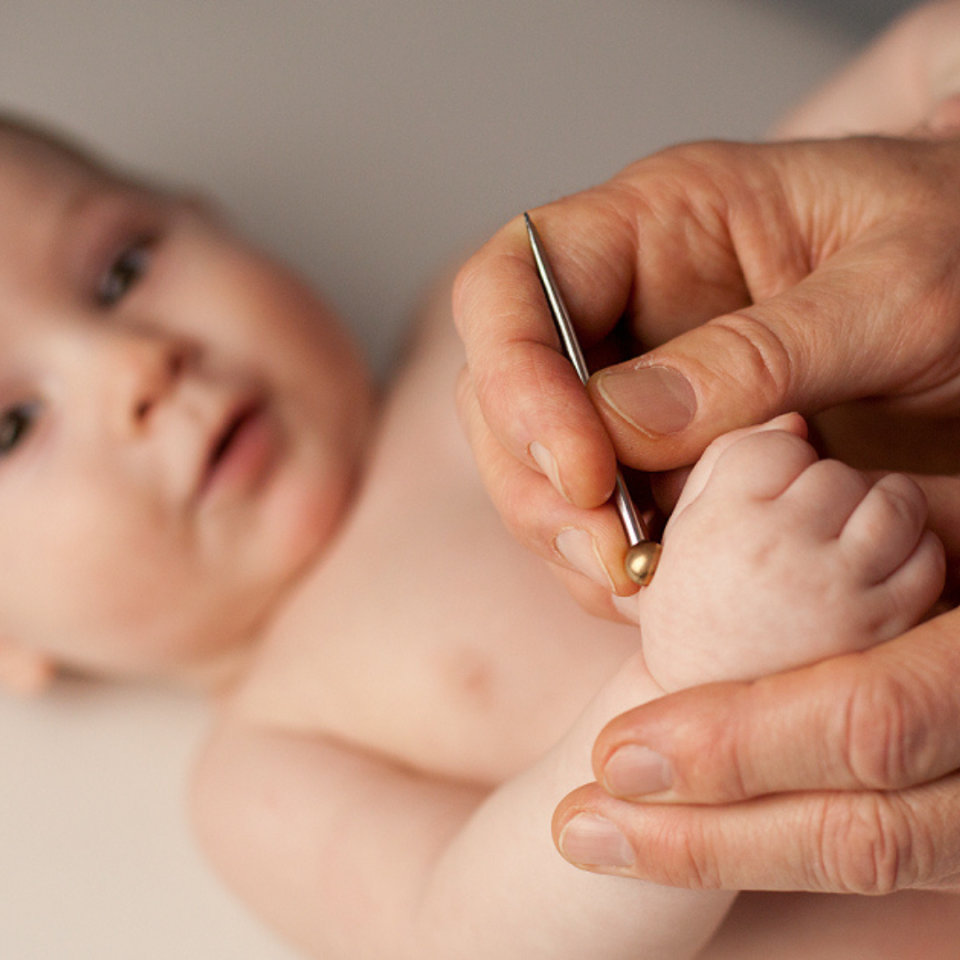
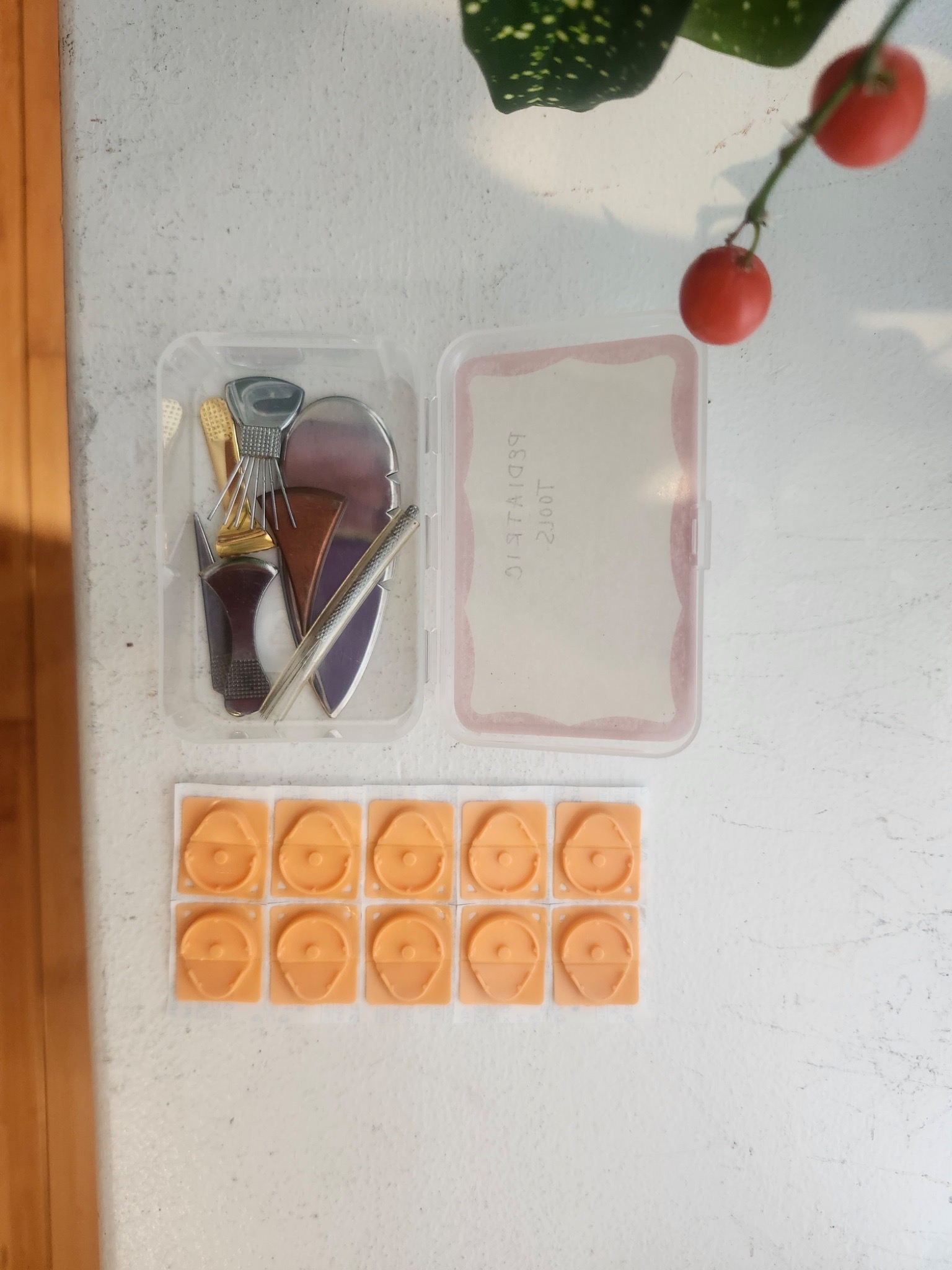
used Shonishin, a light tapping technique that uses special tools as a form of
acupressure.
These treatments were so gentle, I couldn’t really see how massage and acupressure could turn around asthma and allergy symptoms. I figured it would take some time to see any noticeable change. But after just three months, symptoms were essentially resolved for both children. One was eating all his previously allergic
foods, and the other had started running again. I was in disbelief each week that the
mother reported back with the progress. I was thrilled, and so was she. Ever since, I’ve
opened up my practice to see more pediatric patients. The more I’ve treated children, the more expansive my amazement at the gentleness and effectiveness of acupuncture. In tandem, I’ve grown a deeper appreciation of the intense and active nature of children’s Qi, which often produces more radical results than in adults.
Acupuncture/Acupressure
For Babies and Young Children (3 months to about 10yo)
Pediatric appointments look very different from an acupuncture session for
adults. Kids don’t sit still, and they’re all wildly different in what they like and don’t like.
So, we have a few modalities and techniques ready to prepare for whatever comes.
Much of the appointment involves exchanging information with the parent. We try to
understand the whole child as much as possible, then relay information such as dietary
or lifestyle recommendations.
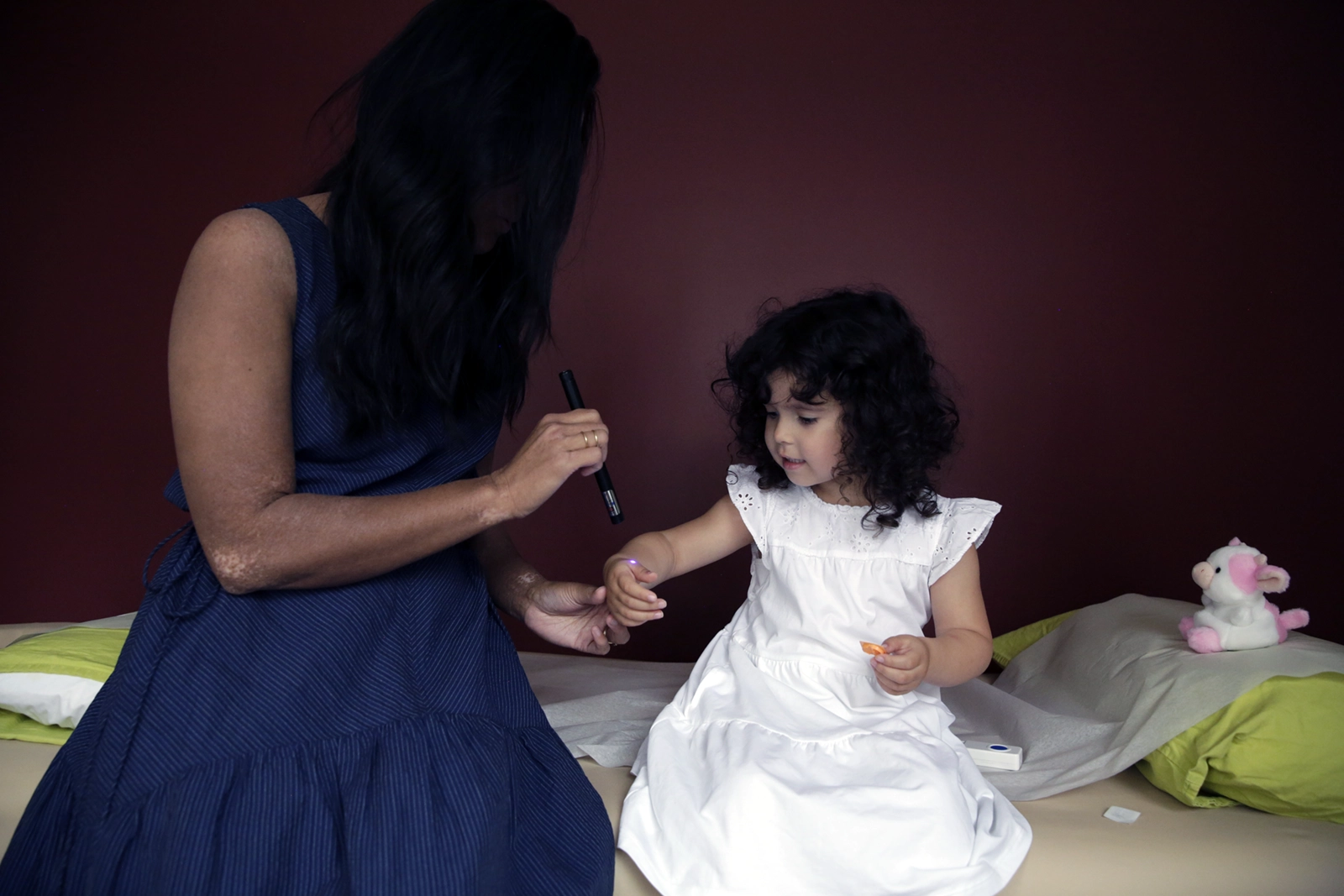
The other half is really building rapport with the child patient. If they’re old enough, I will demonstrate the technique on myself, have them try it, and show them that it is painless and can be fun. For the treatment to be effective, a positive experience is important. Often, treatment takes place over several weeks or months. Treatment will not be successful unless the patient is happy to return.
I treat babies as young as 3 months using the following techniques:
The most conservative is using acupressure and massage. We stimulate specific channels and points to reduce inflammation, soothe the nervous system, strengthen digestion, and
help the body heal. For kids that are sensitive to touch, we use a gentle laser to
stimulate the same points.
Another common treatment is press-tacks. These are small circular adhesive
bandages with a teeny tiny imperceptible needle strongly adhered to the center. I’ve
used this countless times on babies, as well as my own, enough to know that they’re
not sensing any pain. These are left on for about an hour, and then can be removed
safely and thrown away at home.
For Older Children to Teens
When kids are around 10 years old, many seem to tolerate a more traditional
treatment. We use extremely thin facial needles for comfort, and patients are lying for
anywhere from 15-30 minutes depending on age and tolerance. For reference, a routine blood draw uses a needle 0.64mm to 0.82mm in thickness. The acupuncture
needles we use for adults typically range from .16- .25mm, and for kids from 0.10mm
to 0.16mm. We always want to work with the body. If the patient is in discomfort or
pain, it can disrupt the flow of Qi and reduce the positive effects of the treatment. For this reason, comfort and gentleness are a priority. If a patient still does not like the
acupuncture needles after adjustments, we can often find other modalities to help the
patient.
Cupping
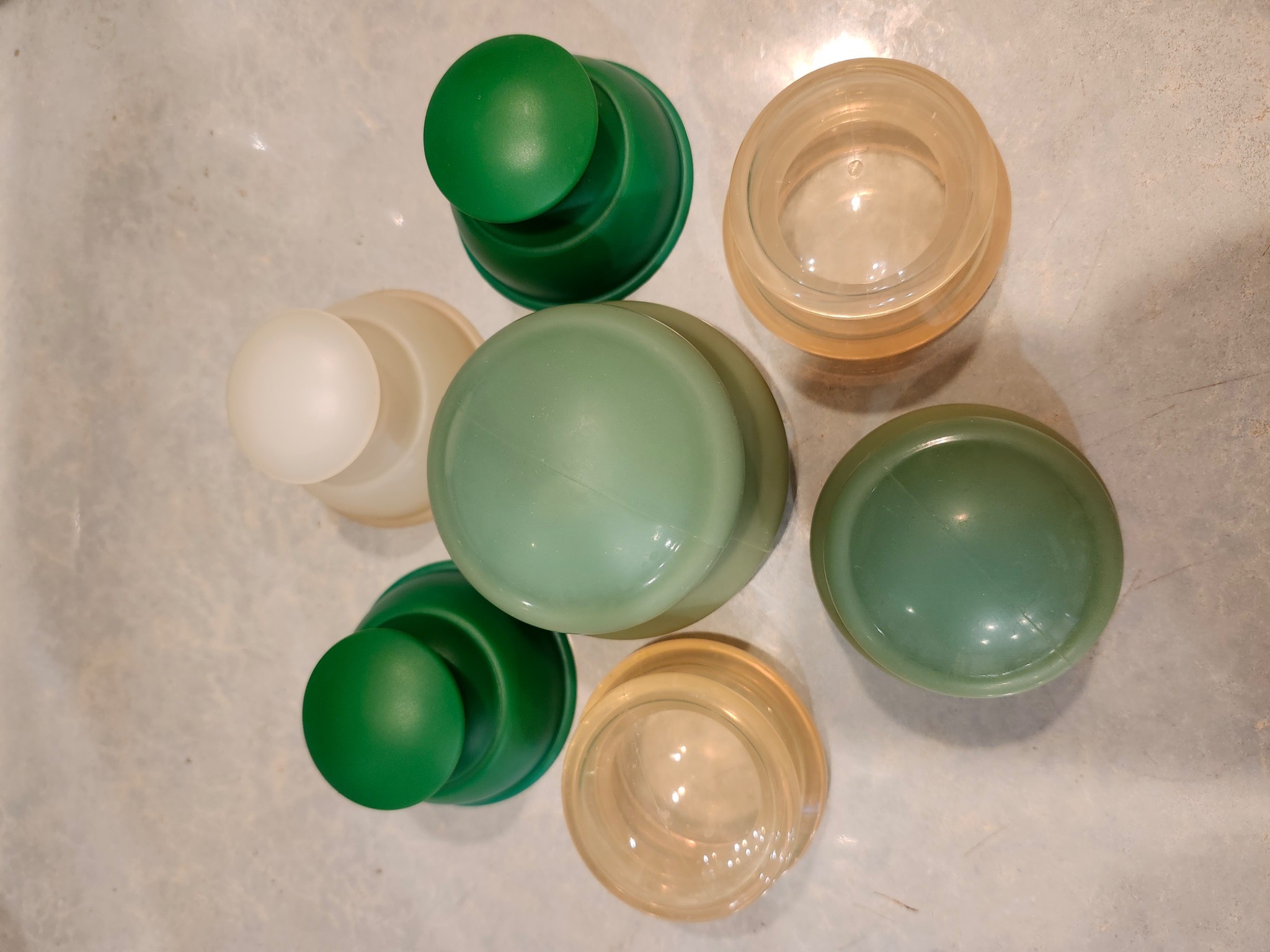
Cupping is widely used for musculoskeletal concerns, but it’s also a way to
release heat or inflammation from the body. These work great with systemic infections
or widespread inflammation. The cups we use are made of silicone and come in
different sizes based on the child’s age.
Moxibustion
Less commonly used for children, only because children tend to run Yang, or
have abundant fire energy in their youth. There are situations when we may use this to
boost Qi. If there is fatigue, they are easily fearful, or have weak digestion. Moxa is
mugwort leaves that are dried and packed into a stick. We light the stick, and the
smoke hovers over specific acupuncture points. We do this very strategically since kids
are always on the move.
Herbal Topicals
When treating skin conditions, we often use topical herbal medicine. Formulas
are heavily concentrated to maximize effectiveness. They are safe to use, contain few
non-herbal ingredients, and are formulated for specific conditions. Eczema has several
subtypes, so we use specific formulas for each.
Herbal Medicine
When needed, we will use herbal medicine. For babies and young children, we
may start with an herbal bath. By the time they are eating solids, we can introduce
small doses of herbal formulas, generally containing just a few herbs. For older children
and teens, we can readily use formulas with appropriate dosing. I work closely with
parents on this, since many kids have taste preferences and are sometimes picky.
Commonly seen conditions:
Babies and Young Children
• Cradle cap
• infantile/childhood eczema
• Infections (respiratory, ear, eye, skin, etc.)
• Picky eating or poor appetite
• Excessive gas/belching, diarrhea, constipation
• Excessively fearful
• Lethargy
Older Kids and Teens
• Anxiety, Stress
• Muscle or joint issues
• Recovery from injuries
• Acne, Eczema
• Digestive disorders
• Menstrual disorders
• Headaches or migraines
• Lethargy or insomnia
This is a short list, but if you are curious if a condition would respond well to
acupuncture, schedule a discovery call. If you’re out of area, I would check with your local acupuncturist to see that they specifically treat children. Certain conditions require specialized training;dermatology and pediatrics are definitely areas where you should seek a specialized practitioner.
Curious to know more – contact Sul Choi!